Seasonal Twilight Photography: What to Shoot in Autumn and Winter
Twilight in summer is a reward for staying up late. In autumn and winter it comes to you. The sun drops early, the blue hour arrives while there is still time for a cup of tea at home, and the weather turns genuinely interesting. If your best light always seems to arrive when you should be cooking dinner, these are your months.
In mid-December the sun sets before four o'clock across most of the UK, and civil twilight — that soft glow before real darkness — lingers for half an hour or more. Golden hour, sunset, blue hour and true night all fall inside a single ninety-minute window. You can shoot four completely different moods from one tripod position and still be home by six.
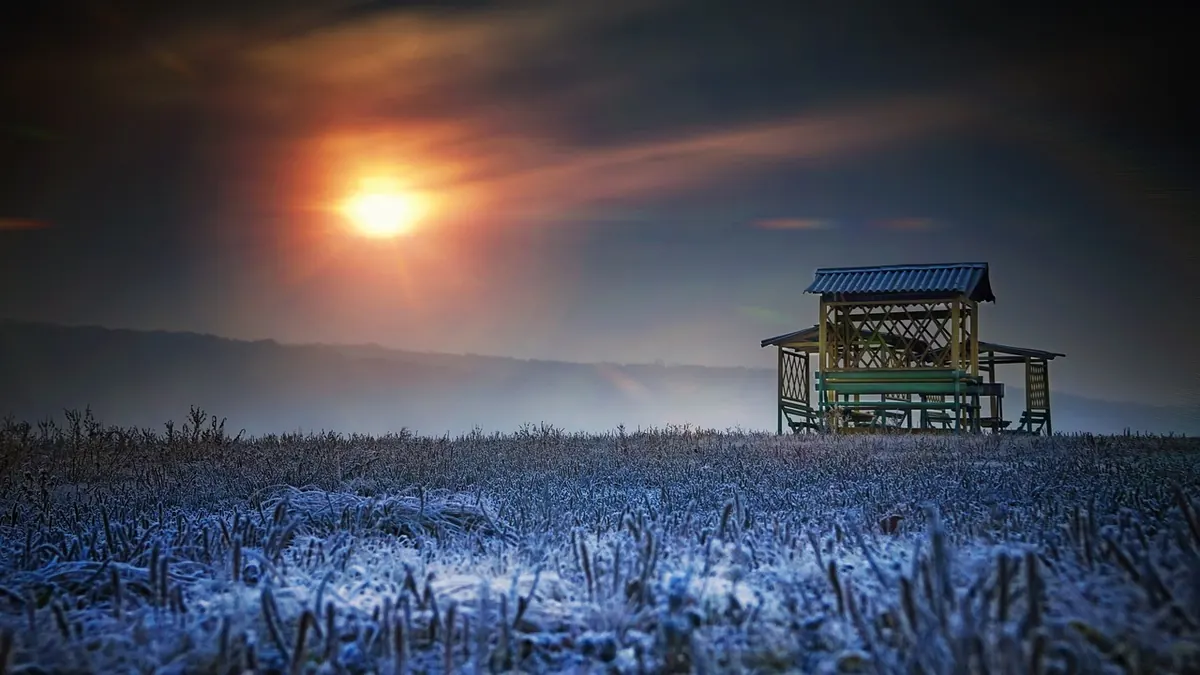
The low winter sun helps in another way. It never climbs high, so light stays raking and directional for much of the afternoon. Trunks, walls, furrows and waves keep their texture instead of flattening into noon glare, and shadows stretch long all day.
Winter light is weather light. Atlantic lows bring fast-changing skies, and the most reliable window usually sits just behind a passing front: the rain clears, the cloud breaks into ragged shapes, and low sun rakes across a wet landscape. Check the rain radar before you leave and aim to be in position as the last band moves through.
Wind direction is worth watching. A westerly fetch tends to mean cloud and drama on west-facing coasts, while cold easterlies often bring clearer air, longer views and gentler pastel skies. Cloud cover matters more than most forecasts suggest: ten to seventy per cent gives the sky something to catch, whereas a flat grey lid produces soft, even light that suits woodland detail but kills a skyscape.
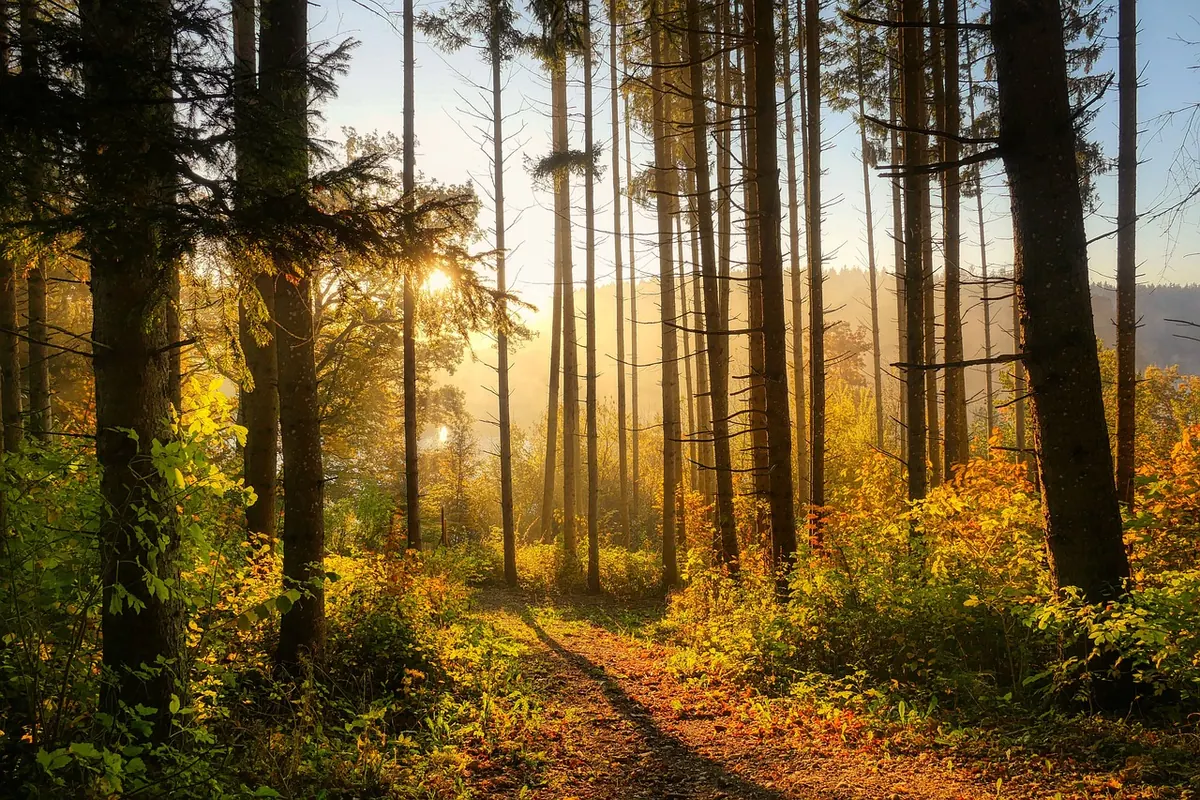
Autumn woodland is the obvious subject, but it behaves differently at twilight. Beech, oak, larch and birch all hold colour, bracken turns rust, and the ground is a carpet of leaf litter. Under a deep blue sky, though, orange leaves in shadow read almost brown. Work with that rather than fighting it: catch the last warm light on trunks and branches, or let the whole wood go cool and quiet through blue hour.
Walk the wood in daylight first. Compositions that seem obvious at two o'clock are almost impossible to find at dusk, and arriving early with a plan is the difference between a good evening and a frustrating one. Keep a head torch in your pocket, watch your footing on wet roots, and give deer plenty of room — dusk is when they are most active, and a bright torch sends them running.
Winter is when the coast delivers. A decent swell, an onshore wind and a break in the cloud can produce images that simply do not exist in July. The light often arrives either side of a front: dramatic stacked cloud before it hits, then rain-cleansed air and sharp visibility behind it.
Exposure choice changes the feel. Around half a second to two seconds keeps the energy in breaking waves; twenty or thirty seconds flattens surf into mist, which can look beautiful but also bland. Try both and decide what suits the scene rather than assuming longer is better. A polariser cuts glare on wet sand and rock, and a ten-stop neutral density filter is handy when you want blur in brighter conditions.
Safety first, every time. Winter seas are cold, powerful and unpredictable, and wet rock is treacherous. Tell someone where you are going and when you expect to be back, carry a torch, check tide tables and the inshore forecast, never turn your back on the water, and stay well back from waves breaking over promenades and slipways. If conditions look marginal, shoot from higher ground with a longer lens instead.
Keep the rest simple. Base ISO, apertures around f/8 to f/11 for depth of field, and manual focus in live view once the light drops, because autofocus hunts in the dark. Shoot RAW so you can lift a dark foreground later. White balance is a choice rather than a rule: a daylight setting keeps the honest blue of twilight, while shade warms the scene. Bracket when the sky is much brighter than the land — two or three frames a stop apart will cover most situations.
Twilight rewards preparation more than most subjects. Note the sunset time for your location, work backwards to an arrival time, and allow at least forty-five minutes before the sun goes down to find a composition. Check the tide if you are near water, and check
Photo: fietzfotos / Pixabay